


We have all tried to change a habit. Sometimes, it feels like running uphill with a heavy backpack. We start out motivated but, a few days later, the old patterns return. Why? Because most of our habits are not only routines. They are woven into our thoughts, emotions, and beliefs. If we want change that lasts, we need a practical, conscious approach to habit reprogramming.
Change begins inside, with awareness and real commitment.
Why conscious habit reprogramming matters
We believe that real transformation starts by seeing why we do what we do. Habits are learned solutions: comforting, automatic, and often invisible. Without awareness, we repeat old patterns even when we want to change. Conscious habit reprogramming means using clarity, intention, and responsibility in every step. We don’t plug new habits into the old “autopilot”—we build them, layer by layer, starting with self-understanding.
Understanding the architecture of habits
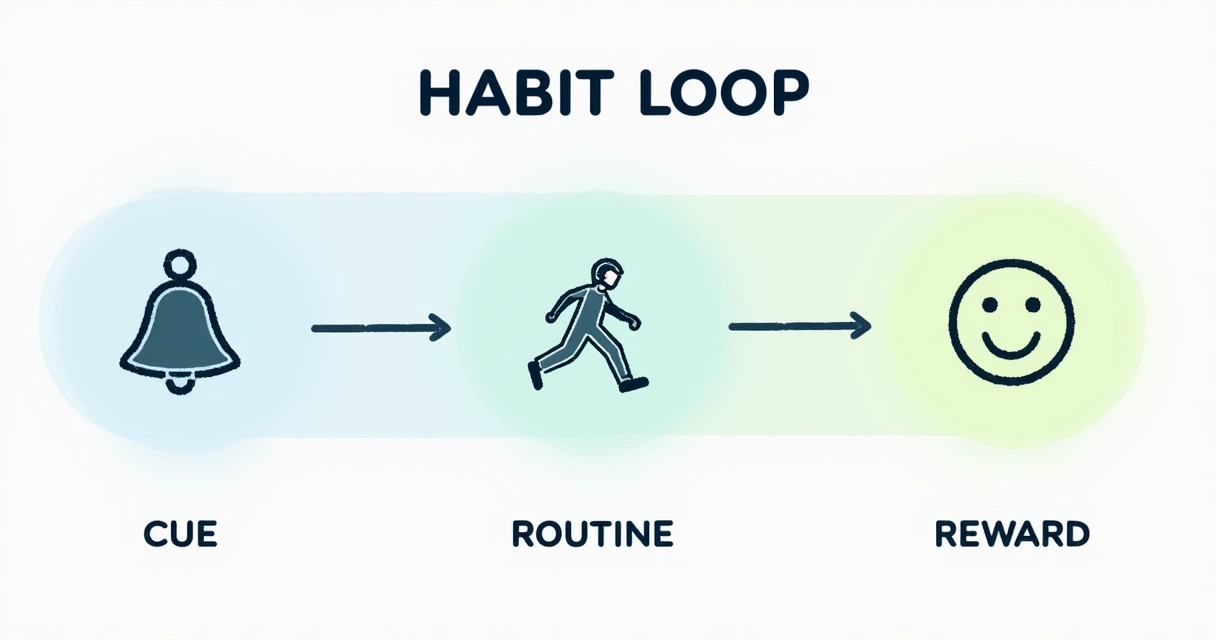
Habits follow a loop: cue, routine, reward. First, there’s a trigger (cue). Next, the action (routine). At the end, there’s a feeling or benefit (reward), which reinforces the behavior.
- The cue is what sparks the habit—an emotion, time of day, or place.
- The routine is the action itself, even if it’s just a thought.
- The reward is the result—relief, pleasure, or another positive feeling.
We have found that breaking down a habit into these steps lets us diagnose where to intervene and guide our focus toward the real drivers of our actions.
The first step: Cultivating awareness
In our work, awareness always comes first. We must recognize the habit before we can change it. Start by observing your own routines, without judgment. Keep a journal for a week. Note down:
- When the habit occurs
- What emotions or thoughts arise just before
- What need you are trying to meet with the habit
This act of noticing, practiced with gentleness, is a powerful start. It can be surprising to discover how much is on autopilot.
Awareness is the foundation of any sustainable change.
Defining conscious intention
We cannot reprogram what we do not intentionally choose. Once aware of the habit, ask yourself why you want to change it. Is the motivation yours, or borrowed from someone else’s expectations? Clarify the deeper value you seek—health, peace, focus, self-respect.
We invite you to write a clear intention for change. Make it personal, positive, and anchored in something meaningful. For example: “I intend to respond to stress kindly, rather than reaching for distraction.”
By doing this, we align action with inner purpose. Intentions guide and energize the process even when motivation fades.
Rewiring the habit loop
With awareness and intention set, we begin reconstructing the habit loop. Here is how we can proceed:
- Identify and shift triggers: Some cues can be avoided. Others can’t. For example, if snacking comes with afternoon fatigue, can we try taking a walk instead? If stress triggers negative self-talk, can we introduce a breathing practice?
- Redesign the routine: Choose a new action that meets the same need as the old habit, but healthier or more aligned with your goals. Replace criticism with curiosity. Swap scrolling phone for reading. It doesn’t have to be big at first.
- Celebrate the reward: Reinforce the new habit by savoring the benefit. If you showed patience where you used to react, pause and notice how it feels. Allow the new reward to become satisfying in its own right. This step is often overlooked, but celebrating small wins changes the emotional landscape of our habits.
Emotional self-regulation in reprogramming
We have seen that the hardest habits to change are those tangled with our emotions. Stress eating, procrastination, and patterns in relationships all involve feelings that can seem bigger than thought. To build resilience, practice self-regulation techniques:
- Pause before reacting. Even a few deep breaths expands choice.
- Name your feeling—“I feel anxious.” Naming helps us step out of autopilot.
- Allow yourself to feel, without immediately acting on it.
This skill, repeated, builds trust in ourselves and gives us space to respond differently.
Building consistency with structure
Routine is quietly powerful. Consistency doesn’t mean perfection. Missed days happen, but a simple structure supports habit reprogramming. We recommend:
- Starting small—choose one habit at a time.
- Linking new routines to established ones (after breakfast, take five slow breaths).
- Tracking progress visibly—use a calendar, stones in a jar, or a note on your desk.

Routine alone will not change our consciousness, but structure makes repeating the new action more likely. The more we repeat, the more the brain adapts—and the easier change becomes.
Responding to setbacks
Sometimes we slip. Noticing relapse does not mean failure. It is an invitation to reflect. We view setbacks as messages: perhaps the environment was challenging, or the need unmet. Instead of self-judgment, we suggest a gentle review:
- Ask: What need was I trying to meet?
- What feeling or trigger was present?
- Is the intention for change still clear for me?
This attitude of kindness keeps us engaged. Progress is rarely linear; it moves with our willingness to reconnect and adapt.
Integrating conscious habits into daily life
We think the goal is not to add pressure, but to weave conscious habits into lived experience. Include friends or family as support, if possible. Celebrate not only achievements, but also honest effort and learning. As each new habit roots itself, notice the broader changes in mood, relationships, and confidence. Over time:
- Self-trust grows. We see ourselves as agents of change, not victims of routine.
- Old habits lose their grip. New habits become “second nature.”
- Inner and outer life move into alignment. Intention and action become one.
Every choice is a step. Every step shapes who we become.
Conclusion
Conscious habit reprogramming means much more than trading one routine for another. In our experience, it invites us into a new relationship with ourselves—one guided by awareness, clarity, and personal responsibility. It asks us not just to repeat, but to reflect, re-choose, and grow. The journey takes time, courage, and patience, but the result is a more authentic, balanced, and impactful life. With each cycle of awareness and action, we shape our habits—and our habits, in turn, shape us.
Frequently asked questions
What is conscious habit reprogramming?
Conscious habit reprogramming is the process of intentionally and mindfully changing habitual behaviors by increasing awareness, clarifying intentions, and actively choosing new actions that align with personal values and goals. It involves more than willpower; it means understanding the deeper drivers behind habits and guiding change from the inside out.
How do I start changing bad habits?
We recommend starting with awareness—notice when and why the habit occurs. Record the triggers and the feelings that come with it. Next, define a clear intention for change that feels meaningful to you. With this foundation, shift the routine: choose a new response to the same trigger, and consciously reinforce it with a positive reward or acknowledgment.
How long does habit reprogramming take?
The time needed for habit reprogramming varies widely, depending on the behavior and personal context. Research suggests that building a new habit can take anywhere from three weeks to a few months. Consistency, kindness with yourself, and adapting your strategies are more predictive of success than focusing on a specific number of days.
Is habit reprogramming worth the effort?
In our experience, consciously reprogramming habits is worth the commitment, as it leads to increased self-trust, inner balance, and lasting change that benefits every area of life. The process may challenge you, but it fosters growth, clarity, and a positive impact on both personal well-being and relationships.
What are the best tips for success?
- Start with just one habit at a time for better focus.
- Practice self-kindness when setbacks occur.
- Link new actions to existing routines to make them easier to remember.
- Track progress and celebrate each small win.
- Stay connected to your deeper reasons for change to strengthen motivation.