

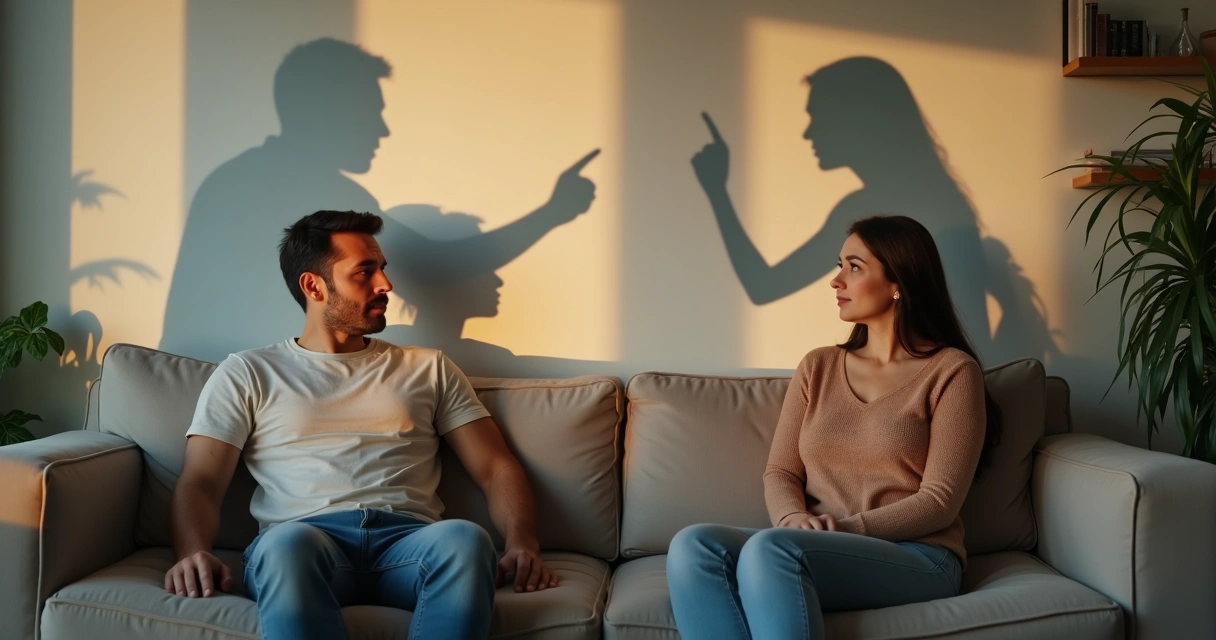
We all want genuine, supportive relationships. But sometimes, without even realizing it, we place parts of ourselves onto others. This is called projection, and it can quietly distort our perception, increase tension, and harm trust between people who care about each other. Recognizing when projection is at play is the first step toward clearer communication and healthier bonds.
What is projection and why does it matter?
Projection is a psychological process where we unconsciously attribute our own feelings, motives, or thoughts to someone else. In relationships, this usually emerges when we struggle to accept a certain emotion, flaw, or fear within ourselves. Rather than confronting it, we see it in those closest to us.
When we project, our own unresolved inner world leaks into our perception of others, making it hard to see situations clearly.
Recognizing this pattern matters because it changes how we interact. Misunderstandings grow, conflicts escalate unexpectedly, and we end up battling shadows of ourselves reflected in those we love. Awareness is not about blame, but building emotional maturity and responsibility.
Common signs that projection might be happening
Certain signs appear over time when projection influences our relationships. While these are not “proof,” noticing the following can prompt helpful self-reflection:
- We strongly dislike or react negatively to a specific trait in someone close, especially if our reaction feels exaggerated for the situation.
- We often accuse others of behaviors or intentions we secretly fear or feel ourselves.
- Our loved one seems confused by our criticism or feedback, as if we’re talking about someone else.
- Old patterns repeat, such as always suspecting betrayal, criticism, or rejection—no matter the person’s actual behavior.
- Discussions loop or escalate quickly without visible cause, and it feels hard to resolve conflict rationally.
When we notice these signs, it doesn’t mean we’re “guilty” of projection every time. It’s an invitation to pause and consider where these reactions truly come from.
How projection shapes our close relationships
Projection can weave itself quietly into daily life, changing how we see those closest to us. We might become convinced that a partner is angry when, in fact, we are dissatisfied. Or we are sure a friend is judging us when the judgment comes from our own self-criticism.

When projection occurs, it results in a distorted reality. Relationships feel weighed down by unspoken tensions or unaddressed wounds. Small misunderstandings can quickly become arguments, because we react to our own "stuff" rather than the real situation in front of us.
For example, let’s imagine a situation: Alex feels insecure about their professional achievements but can’t admit it. So, when their friend Jamie talks about a promotion, Alex feels Jamie is "showing off" or "arrogant." Instead of recognizing their own sensitivity, Alex grows distant.
It’s often easier to spot what we dislike in others than to accept it might live within ourselves.
Learning to recognize these patterns requires honesty—and sometimes discomfort—but it also opens the door to closer, more trusting connections.
Situations where projection is most likely to appear
Projection is not random. We often notice it most in:
- Stressful or uncertain situations where old fears resurface.
- Moments of vulnerability, when we fear being hurt or exposed.
- Arguments, particularly when strong emotions arise quickly.
- Transitions—moving, changing jobs, or family changes—that challenge identity and stability.
- Close bonds, where our sense of self feels intertwined with another person’s actions.
We have seen in our experience that projection can slip in when we least expect it. The more intimate the relationship, the higher the chance of old patterns reappearing.
How can we tell the difference between real feedback and projection?
Feedback rooted in reality points to specific actions or facts that are open for discussion, while projection feels emotionally charged, persistent, or unrelated to the present moment. It can be confusing, though, especially in the heat of an argument.
Ask yourself:
- Am I upset about something that actually happened, or is it reminding me of past situations?
- Is my reaction bigger than what this moment justifies?
- Do I feel this way often, even with different people and situations?
If the answer is "yes" to any of these, there’s a chance projection is present. This self-inquiry is not always easy, but it helps separate reality from our own inner stories.
Steps to recognize and handle projection in relationships
We believe that the following approach helps us—and can help others—begin to untangle projection from real connection:
- Pause and notice your emotional reactions. Strong feelings are a signal to slow down and check in with yourself.
- Ask direct questions: “Have I felt this way before, in unrelated situations?” or “Is this reaction about the current person, or does it have deeper roots?”
- Get curious, not defensive. Curiosity transforms blame into understanding.
- Communicate openly: Share your feelings honestly but take responsibility for them, using “I” statements rather than accusations.
- Reflect after conflicts. Take time alone to review the situation—what triggered you, what you felt, and why that might be.
If we notice recurring patterns, we can seek understanding, rather than immediate solutions. Sometimes, talking gently with the person involved can bring insight for both people. Other times, journaling or quiet reflection is enough to spot the pattern.
Can we avoid projection entirely?
No one can. Projection is a natural process, not a sign of failure. The key is not to eliminate it, but to notice when it arises, question it, and take gentle responsibility for our perspectives.

When we learn to recognize projection, we become more compassionate—with ourselves and with others. It leads to relationships based on trust, not on hidden fears.
Awareness turns projection into self-discovery.
We think that changing this one pattern can transform how we relate, bringing space for more connection and less confusion.
Conclusion
Projection is a subtle process that can cloud our closest relationships. While everyone does it from time to time, the difference lies in our willingness to notice and understand it. By developing awareness, openness, and responsibility, we create room for genuine connection. Every effort we make to recognize projection is a step towards clarity—not only with others, but also with ourselves.
Frequently asked questions
What is projection in relationships?
Projection in relationships is when we unconsciously attribute our own feelings, motives, or insecurities to someone else, instead of recognizing them as our own. It often happens automatically and can shape how we view and interact with others.
How to tell if someone is projecting?
Look for recurring accusations or strong reactions that do not match the situation, persistent negative themes, and confusion from the person being accused. If someone’s feedback feels strangely out of place or exaggerated, it could be projection.
Why do people use projection?
People use projection—often unconsciously—to avoid facing uncomfortable emotions or traits within themselves. By placing them onto others, they temporarily distance themselves from feelings they don’t want to own.
How can I respond to projection?
Stay calm, avoid defensive responses, and gently invite open dialogue. Ask clarifying questions and share your observations using “I” statements. If emotions run high, it can help to pause and revisit the conversation later with both people feeling more grounded.
Can projection harm close relationships?
Yes, projection can damage trust and understanding over time. Unchecked, it creates misunderstandings, resentment, and emotional distance. However, awareness and honest communication can reduce its impact and even strengthen relationships.