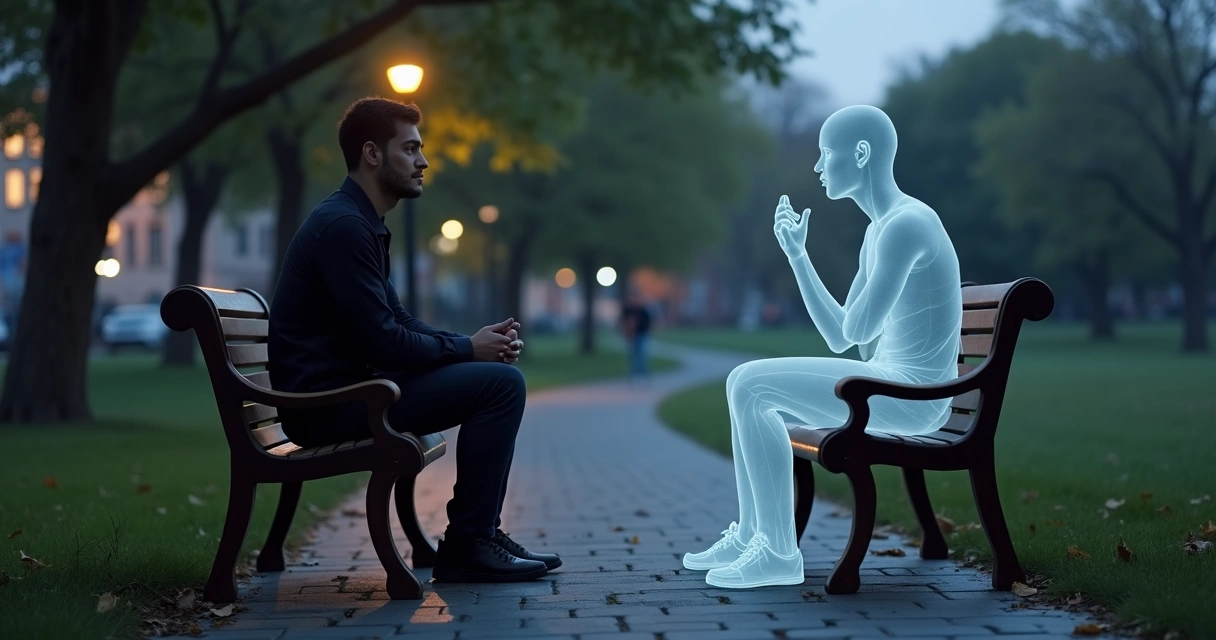


We all wish uncomfortable emotions would disappear. In daily life, it is tempting to slip past sadness, anger, fear, and even confusion, hoping that ignoring them means they have no power over us. But, in our experience, most real and lasting change only occurs when we stop bypassing discomfort and start to meet it earnestly. So, how do we stop dodging our own difficult states and embrace the discomfort necessary for genuine transformation?
Understanding what bypassing discomfort really means
We have often noticed that many people think of discomfort as something to be eliminated or hidden. The idea of emotionally bypassing refers to all the little (and not so little) ways we avoid facing the feelings that surface during life. There is a psychological cost to this avoidance.
Feeling bad is not a sign of failure.
Instead, uncomfortable feelings are vital signals. They carry messages about what matters most to us, about our boundaries, our wounds, and our needs. When we chronically avoid this discomfort, we remove the possibility of understanding ourselves honestly. Instead of growth, we reinforce old patterns and stay stuck in cycles of anxiety or numbing.
Why do we bypass? Exploring the roots of avoidance
In our observations, people do not bypass inner discomfort because they lack willpower. Rather, most of us do it to feel safe. Often, these patterns develop early and become automatic responses to tension or pain. Some common reasons include:
- Fear of being overwhelmed by emotion
- Belief that strong feelings are signs of weakness
- Desire to appear strong or "together" in front of others
- Lack of skills for processing difficult situations
- Painful memories from the past that remain unresolved
Whatever the reason, the consequences are similar. We disconnect from reality, fragment our experience, and lose the chance to find healthier ways forward. Studies from Yonsei University highlight how individuals who repeatedly suppress their emotions show lower psychological well-being and increased distress. You can find more about this from this research on the negative impact of emotional suppression.
Common ways we bypass discomfort
We have seen so many creative ways people sidestep the discomfort inside. To bring these to awareness, let us look at some patterns that often show up:
- Keeping busy all the time to avoid thinking about problems
- Trying to "fix" feelings quickly instead of feeling them
- Rationalizing away emotions by intellectualizing
- Using humor to deflect from deep pain
- Blaming others instead of taking responsibility
- Turning to substances or compulsive habits for relief
Recognizing these habits is the first step to change. We cannot shift a pattern we do not see.
Facing discomfort: What does it look like?
When we choose not to bypass discomfort, the process does not look heroic. It usually looks ordinary, sometimes awkward, and almost always vulnerable. In our experience, it involves:
- Pausing and noticing what is happening inside the body
- Labeling the feeling without judgment or analysis
- Allowing space for the feeling to exist, even if it is difficult
- Being curious about what the emotion wants to communicate
- Choosing to respond with care, instead of habit
Presence is the opposite of bypassing.
In these moments, even if the feeling remains, the relationship we have with discomfort changes. We become less afraid of our own inner world and more willing to learn from it.
Developing practical strategies for staying present
We know that intention alone is not enough to stop bypassing discomfort. Anchoring this new approach takes practice and patience. Here are some strategies we have found useful:
Create space in daily routines
Rather than jumping from task to task, we can build small pockets of stillness into our day. These are moments for checking in with ourselves, for paying attention to subtle feelings or tensions. Even a minute of conscious breathing can reveal a lot.
Practice mindful self-inquiry
When a difficult emotion arises, ask silently: “What am I feeling? Where is it in my body?” Follow with: “Can I allow this, just for a moment?” These simple questions make it easier to stay with discomfort instead of running away.
Replace judgment with curiosity
Often, we shame ourselves for feeling "too much" or "not enough." Instead, try being curious: "Why might I be sad right now?" or "What could this anger be trying to protect?" Curiosity opens doors judgment slams shut.
Seek reflection in safe relationships
Sometimes emotions are too big to hold alone. Trusted friends, or supportive listeners, can act as mirrors. They help us hold our discomfort without rescuing us from it, creating a safe space for us to process and reflect.

Keep regular emotional "check-ins"
Build the habit of looking inward regularly, not only during crisis. These check-ins can be as simple as pausing at lunchtime and asking: “What’s alive in me right now?” Over time, this fosters steadiness and resilience.
What changes when we stop bypassing discomfort?
When we stop bypassing, our relationship with ourselves changes dramatically. We start seeing our feelings as guides, not threats. We become more emotionally mature, grounded in clarity, and attentive to the impact of our choices on ourselves and others. This is the foundation of real, sustainable growth.
People around us may notice the difference. We respond more thoughtfully, break old cycles, and create deeper connections. But the biggest shift is internal—a sense of alignment between our intention, action, and the reality we create.

Conclusion
Stopping the habit of bypassing discomfort is not about inviting suffering, but about learning to meet discomfort with honesty and respect. When we face, instead of avoid, what is difficult inside us, we reclaim lost energy, gain new insight, and build trust in our own capacity to grow. The path is not easy, but it is real. And it is possible—one present moment at a time.
Frequently asked questions
What is bypassing discomfort in inner process?
Bypassing discomfort in the inner process means avoiding uncomfortable feelings and experiences rather than facing them head-on. This can show up as denial, rationalizing emotions, or distracting oneself from pain. The result is that personal growth gets blocked, and old patterns remain unexamined.
How can I stop avoiding my feelings?
To stop avoiding your feelings, start by noticing when you feel the urge to push emotions away. Take small pauses to name what you feel, let it exist within you without judgment, and be curious about its message. Practice self-compassion and seek support if feelings become overwhelming.
Why do people bypass emotional discomfort?
People bypass emotional discomfort because it can feel unsafe, overwhelming, or unfamiliar. Many have learned early on that expressing emotion is risky or might be judged. Sometimes, lacking skills or support leads to turning away from rather than toward discomfort.
What are signs of emotional bypassing?
Signs of emotional bypassing include constantly staying busy, minimizing problems, using humor to avoid real issues, blaming others, and seeking quick-fix distractions instead of feeling emotions fully. Finding yourself numb or detached in tough moments can also be an indicator.
Is it worth it to face discomfort?
Facing discomfort is worth it because it leads to deeper understanding, resilience, and lasting change. Embracing difficult emotions gives us clarity, helps us break negative patterns, and improves our connection both with ourselves and with others.