

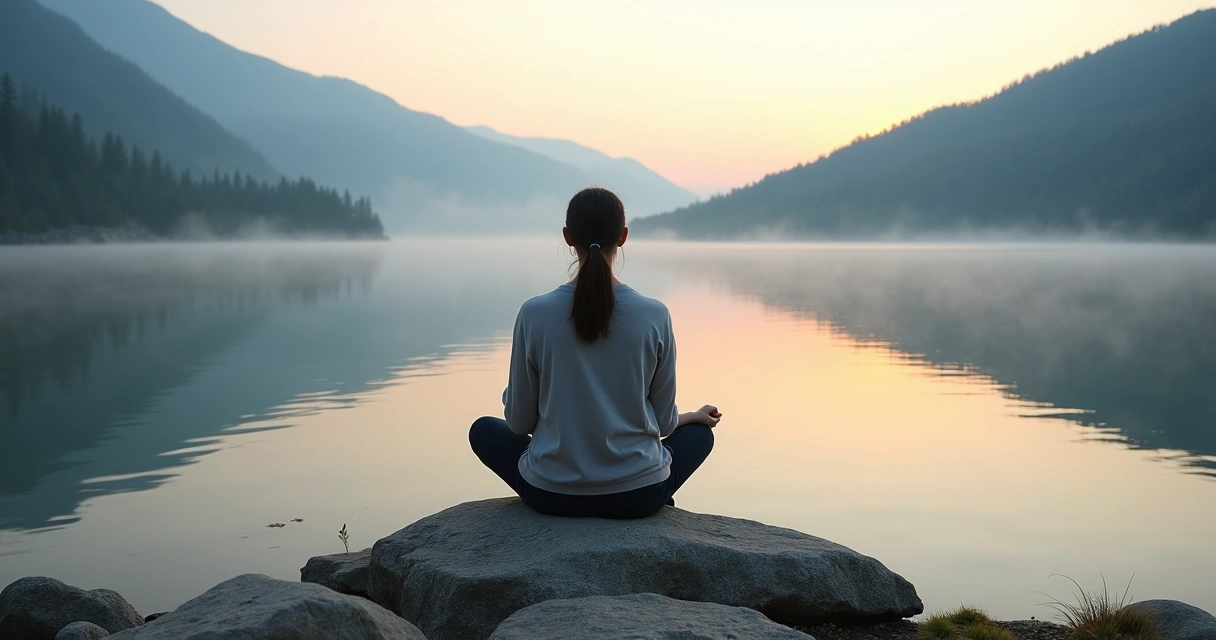
Solitude is both familiar and misunderstood. Many see it as loneliness or social exclusion. Yet, when approached with intention, time alone becomes a powerful environment for personal growth. In our experience, reflective solitude can work as a mirror, showing us dimensions of ourselves that remain hidden during the noise of daily life. Here, we look at how, when, and why this quiet space heightens self-awareness, and how anyone can approach it meaningfully.
What is reflective solitude?
Reflective solitude is more than just being alone; it is a conscious choice to withdraw temporarily from others and external distractions. Its purpose is to encourage honest self-reflection and deeper personal insight. We see solitude not as an escape, but as an opportunity—a moment to sit with our thoughts, feelings, and patterns, and simply observe them.
In stillness, the mind finally speaks.
We believe that this kind of solitude doesn’t depend on setting or duration. It can happen in a quiet room, during a walk in nature, or even in a break between tasks at work. What all those moments share is the intention: to notice our inner experiences, instead of filling every gap with noise and activity.
Why does solitude matter for self-awareness?
Solitude strips away distractions, making space for honest self-inquiry. We rarely get the chance to step back and observe the flow of our lives without interruptions. In solitude, those impulses to react, conform or distract ourselves lose their urgency, making room for honest answers to surface.
Our daily lives bombard us with input: notifications, conversations, opinions, and expectations. In our research, we found that many people rarely get uninterrupted time to consider their own beliefs and motivations. In the stillness of reflective solitude, we can ask, “What do I actually feel? What do I believe? Where are my intentions leading me?”
- Solitude prevents the automatic adoption of group norms.
- It offers time to become aware of personal needs and values.
- Discomfort in solitude often signals areas that want attention or healing.
By having this reflective pause, we notice the difference between what we truly want and what we think is expected of us. This is more than healthy for growth; it is almost a requirement for genuine self-awareness.
When does reflective solitude enhance self-awareness?
We have observed that not every alone moment automatically becomes reflective. The timing and situation matter. Some key windows include:

- After intense emotional events: When we face strong feelings, a pause in solitude helps us process before we react.
- During significant choices: Before making major life decisions, solitude can clarify motives and fears.
- When we feel disconnected: Seeking time alone when feeling lost can reconnect us with inner values.
- In periods of rapid change: Transitions are easier to navigate with space to reflect on emerging identities and needs.
Certain seasons of life invite solitude more naturally. Adolescence, midlife, or times of loss often motivate deep self-examination. However, in our experience, we can benefit from smaller, regular moments of solitude rather than only waiting for crises or big transitions.
How to approach reflective solitude consciously
Reflective solitude asks for more than physical separation from noise. We recommend approaching it as an intentional practice. This means both preparation and mindful engagement while alone.
- Set a clear intention. Before entering solitude, decide what you want to reflect on or simply aim to observe your thoughts and feelings openly.
- Leave distractions outside. Silence your notifications. Avoid turning to entertainment or work to fill the space.
- Choose a comfortable setting. This could be a quiet room, a park, or any place where you feel at ease.
- Welcome discomfort. Difficult emotions may rise when noise falls away. We encourage meeting these feelings with curiosity, not judgment.
- Keep a journal nearby. Writing down insights or observations anchors the experience and clarifies patterns over time.
The key is honesty with oneself. Not every solitude session must be profound. Sometimes, the mind wanders; that is part of the process. Over time, we find that certain themes and truths return, asking for deeper attention or change.
What often gets in the way of beneficial solitude?
While the benefits of solitude are significant, barriers are common. In our view, these obstacles often signal aspects of self that require gentle attention.

- Restlessness or boredom: This may show a habit of external stimulation, or fear of one’s inner world.
- Self-judgment: Many avoid solitude because they worry their thoughts or emotions will be negative or overwhelming.
- Lack of time: In reality, small, regular pockets of solitude matter more than rare lengthy retreats.
- External demands: Family, work, or social pressure may discourage boundaries needed for quiet time.
We have found that starting with small, gentle steps works. Five to fifteen minutes of quiet can be a meaningful beginning. As comfort increases, longer or deeper moments can be explored.
Solitude starts with a single minute.
What results from practicing reflective solitude?
We continue to witness real changes in those who practice solitude with intention. Here is what we have seen over time:
- A clearer sense of personal values and direction.
- More honest recognition of thoughts, feelings, and patterns—both helpful and limiting.
- Greater emotional balance, as regular solitude creates safe space to process feelings.
- More conscious decision-making, with less impulsivity and more alignment with long-term goals.
- Improved relationships, as knowing oneself allows for healthier boundaries and communication.
Solitude becomes a foundation for self-awareness, inner stability, and connection to life that is both genuine and sustainable.
Conclusion
A world filled with noise and speed can make us forget the power of simple silence. We see reflective solitude not as a luxury, but as a reliable companion for those seeking authentic self-awareness. When we give ourselves the gift of honest time alone, we recover the space to notice, reflect, and choose our lives with intention. This practice does not fix everything overnight, but it gently and steadily clarifies the path between who we are and who we can become.
Frequently asked questions
What is reflective solitude?
Reflective solitude is when we intentionally spend time alone with the purpose of observing our thoughts, feelings, and patterns without distractions. It creates an opportunity for honest inner dialogue and deeper insight into ourselves.
How does solitude improve self-awareness?
Solitude improves self-awareness by removing external distractions, allowing us to notice our genuine feelings, beliefs, and motivations. It provides the quiet space we need to process experiences, clarify values, and make conscious choices.
When is the best time for solitude?
We think the best times are often after strong emotions, before important decisions, or during periods of change. However, making solitude a regular practice, even in small moments daily, brings steady self-awareness and clarity.
How can I practice reflective solitude?
Choose a time and place where you can be undisturbed. Set an intention for your solitude, leave devices aside, and allow thoughts and feelings to surface. Journaling your reflections can help clarify insights. Start with small, consistent sessions to build comfort and effectiveness.
Is reflective solitude good for everyone?
Reflective solitude can benefit most people, but not everyone will find it easy or helpful right away. Those with past trauma or severe distress may find being alone difficult at first. In such cases, it is wise to introduce solitude gently and, if needed, seek support to create a safe and positive experience.